
Understanding Bankruptcy and Home Ownership

Updated: Aug 29
Facing financial struggles can feel overwhelming, especially when you own a home. You might be asking yourself, what happens to my house if I file for bankruptcy? It’s a question that weighs heavily on many minds. I want to walk you through this topic with warmth and clarity, so you can feel more confident about your options and what to expect.
Bankruptcy and Home Ownership: What You Need to Know
Bankruptcy is often seen as a last resort, but it can be a powerful tool to regain control over your finances. When you own a home, the stakes feel even higher. Your home is not just a place to live; it’s a symbol of security and stability. So, how does bankruptcy affect your home ownership?
First, it’s important to understand that bankruptcy laws are designed to give you a fresh start. They don’t want to take away your home unnecessarily. There are different types of bankruptcy, but the two most common for individuals are Chapter 7 and Chapter 13. Each has different implications for your home.
Chapter 7 Bankruptcy: This is often called liquidation bankruptcy. It can wipe out many types of unsecured debts like credit cards and medical bills. However, if you have equity in your home, the bankruptcy trustee might sell it to pay creditors. But don’t worry - many states, including Maryland, have homestead exemptions that protect a certain amount of your home’s value.
Chapter 13 Bankruptcy: This is a repayment plan bankruptcy. It allows you to keep your home while catching up on missed mortgage payments over three to five years. This option is often better if you want to avoid foreclosure.
Understanding these basics can help you see that bankruptcy doesn’t automatically mean losing your home. It’s about finding the right path for your situation.

Do I Have to Give Up My House If I Declare Bankruptcy?
This is the question I hear most often. The short answer is: not necessarily. Whether you have to give up your house depends on several factors, including the type of bankruptcy you file, the amount of equity in your home, and your state’s exemption laws.
In Maryland, the homestead exemption protects up to $125,000 of equity in your home (as of June 1, 2026, under SB 939). Equity is the difference between your home’s market value and what you owe on your mortgage. If your equity is less than this exemption amount, you can usually keep your home in Chapter 7 bankruptcy.
But what if your equity is higher? In that case, the bankruptcy trustee might consider selling your home to pay creditors. However, this is rare because selling a home is a complicated and costly process. Most trustees prefer to let you keep your home if you can continue making mortgage payments.
With Chapter 13 bankruptcy, you don’t have to give up your home as long as you stick to the repayment plan. This plan allows you to catch up on missed payments over time, which can stop foreclosure and keep you in your home.
So, the key takeaway is that bankruptcy doesn’t automatically mean losing your home. It depends on your unique financial situation and the type of bankruptcy you choose.
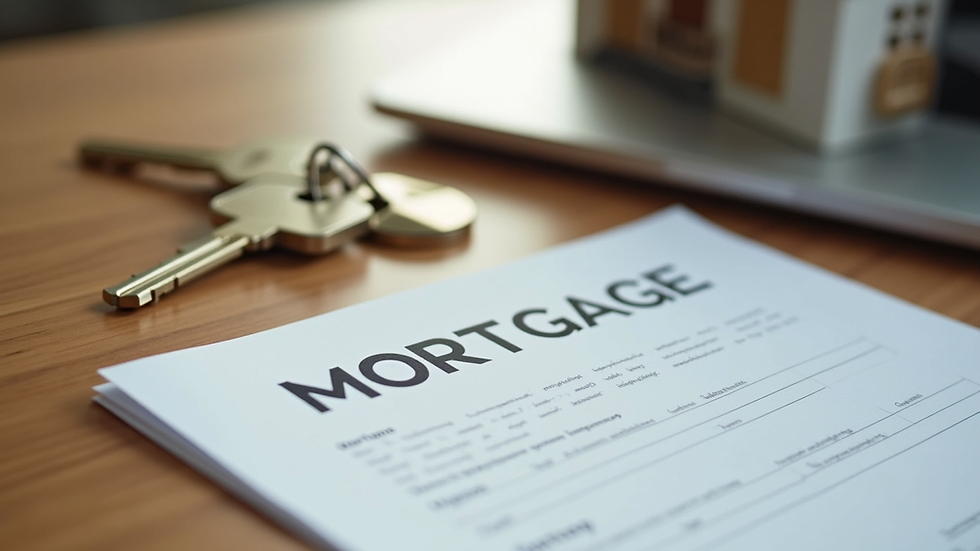
How Bankruptcy Can Help You Keep Your Home
If you’re worried about losing your home, bankruptcy might actually be the solution you need. Here’s how it can help:
Stopping Foreclosure: Filing for bankruptcy triggers an automatic stay, which immediately stops foreclosure proceedings. This gives you breathing room to figure out your next steps.
Catching Up on Payments: Chapter 13 bankruptcy allows you to spread out missed mortgage payments over several years, making it easier to get back on track.
Reducing Other Debts: Bankruptcy can eliminate or reduce other debts, freeing up money to pay your mortgage.
Protecting Equity: State exemptions protect a portion of your home’s equity, so you don’t lose everything.
It’s important to work with a knowledgeable bankruptcy attorney who understands Maryland’s laws. They can help you navigate the process and protect your home as much as possible.
What Happens to Your Mortgage After Bankruptcy?
You might wonder if bankruptcy wipes out your mortgage debt. The answer is no. Your mortgage is a secured debt, meaning it’s tied to your home. Bankruptcy can’t erase it unless you surrender the property.
Here’s what you need to know:
Mortgage Payments Continue: You must keep making your mortgage payments to avoid foreclosure.
Catching Up on Arrears: Chapter 13 bankruptcy can help you catch up on missed payments without losing your home.
Loan Modification: Sometimes, bankruptcy can give you time to negotiate a loan modification with your lender.
If you’re behind on your mortgage, bankruptcy can be a lifeline. It stops foreclosure and gives you a plan to get current on payments.
Practical Steps to Take If You’re Considering Bankruptcy and Own a Home
If you’re thinking about bankruptcy and you own a home, here are some practical steps to help you move forward:
Assess Your Financial Situation: List all your debts, income, and expenses. Understanding your full financial picture is crucial.
Know Your Home’s Equity: Find out your home’s current market value and how much you owe on your mortgage.
Research State Exemptions: Learn about Maryland’s homestead exemption and how it applies to your home.
Consult a Bankruptcy Attorney: A professional can explain your options and help you choose the best type of bankruptcy.
Consider Alternatives: Sometimes, debt counseling or loan modification might be better options.
Prepare Documentation: Gather mortgage statements, tax returns, and other financial documents for your attorney.
Remember, bankruptcy is not a failure. It’s a tool to help you rebuild your life. Taking these steps can empower you to make informed decisions.
If you’re still wondering will i lose my home if i file for bankruptcy, know that the answer depends on your specific circumstances. But with the right guidance, you can protect your home and your future.
Moving Forward with Confidence
Facing bankruptcy and home ownership challenges can feel daunting. But you don’t have to face it alone. With the right information and support, you can find a path that protects your home and helps you regain financial stability.
Remember, bankruptcy is about fresh starts, not endings. It’s about giving yourself the chance to breathe, rebuild, and move forward with hope. If you take the time to understand your options and seek expert advice, you’ll be better equipped to make decisions that protect what matters most - your home and your peace of mind.
You deserve a future free from the weight of overwhelming debt. And with the right help, that future is within reach.

Comments